Relaxation Exercises in Kindergarten: Calm Moments for Little Ones
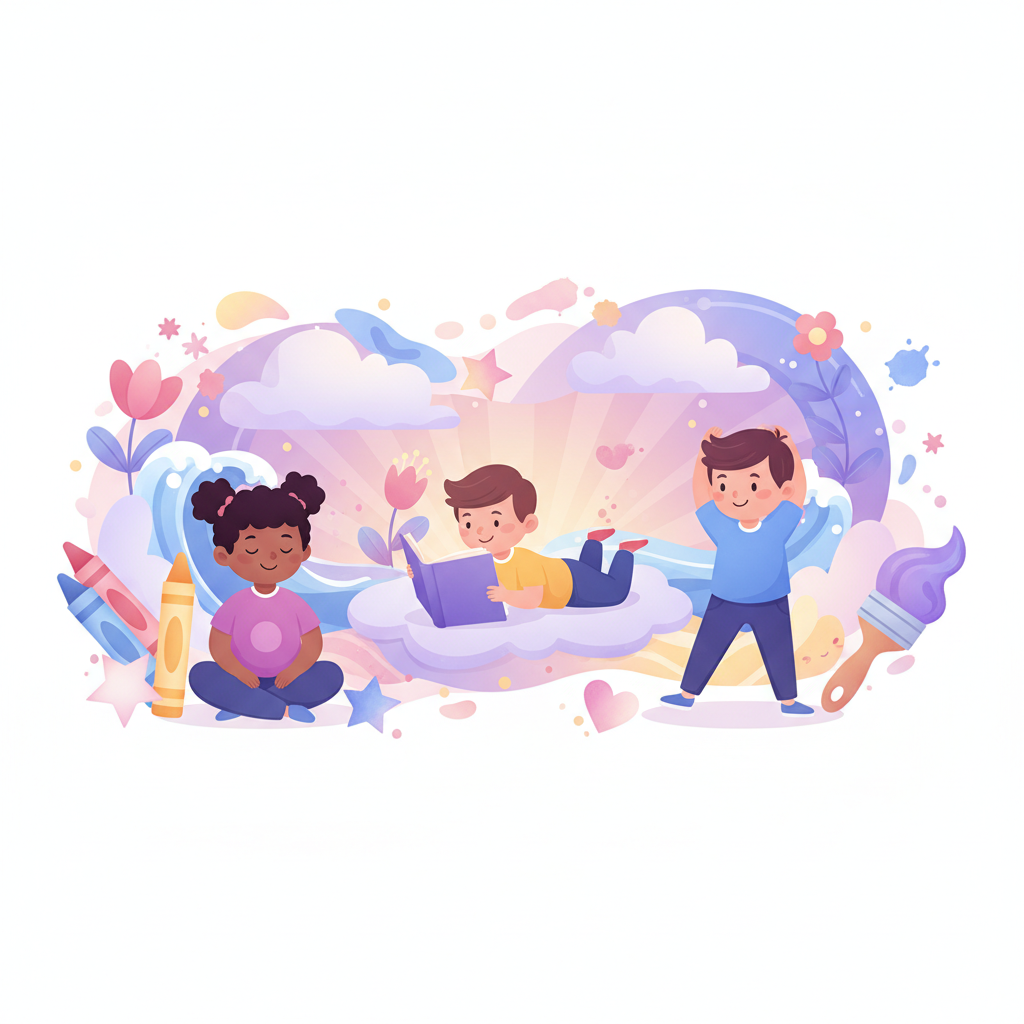
The Importance of Relaxation for Our Youngest Learners
In a world that often moves at a dizzying pace, even our youngest children in kindergarten can experience stress, overstimulation, and a need for calm. From the bustling energy of the classroom to the constant stream of new experiences, little ones are absorbing and processing an incredible amount. While their days are filled with joyful discovery and active play, moments of intentional relaxation are not just a luxury; they are a fundamental building block for healthy emotional development, improved focus, and overall well-being.
Teaching relaxation exercises to kindergarteners isn't about eliminating their natural exuberance, but rather equipping them with vital tools to navigate their emotions, manage energy levels, and find inner peace. These skills, introduced early, can help children regulate their bodies and minds, leading to better concentration, reduced anxiety, improved sleep patterns, and a greater capacity for learning and social interaction. By creating space for calm, we empower children to understand their own feelings and develop a lifelong practice of self-care.
Gentle Breathing Exercises for Little Lungs
Breathing is an automatic process, but conscious, deep breathing is a powerful tool for relaxation. For young children, these exercises need to be playful, engaging, and easy to understand. The goal is not perfection, but awareness and a gentle slowing down of their breath.
Balloon Breath (Belly Breathing)
This is a fantastic starting point for teaching deep breathing. Ask children to lie on their backs, placing a small, soft toy or their hands on their tummies. Explain that their tummies are like balloons. "When you breathe in through your nose, slowly and gently, your balloon fills up and gets big, lifting your toy or hand. When you breathe out through your mouth, slowly, like letting air out of a balloon, your tummy goes down, and your toy or hand sinks." Encourage them to feel the movement and focus on the gentle rise and fall.
Flower Breath / Candle Breath
This simple exercise connects imagination with breath. "Imagine you have a beautiful flower in your hand. Take a big, slow sniff through your nose, trying to smell all its wonderful fragrance." After a deep inhale, switch gears: "Now, imagine you have a tiny candle, and you want to blow it out very, very gently so the flame just flickers. Breathe out slowly through your mouth." This helps children practice both deep inhalation and controlled exhalation.
Bunny Breath
A more active breathing exercise that appeals to children. "Pretend you are a little bunny sniffing for carrots!" Have them take three quick, short sniffs through their nose, followed by a long, slow exhale through their mouth. This can be a fun way to release a little bit of energy while still focusing on the breath.
Remember to keep these exercises short, perhaps just for a minute or two, and always emphasize the feeling of calm that comes with slow, deliberate breathing.
Mindful Movement and Sensory Play for Serenity
Relaxation doesn't always mean sitting still. Gentle movement and engaging the senses can also be incredibly calming for young children, helping them to tune into their bodies and the present moment.
Slow Motion Movement
Ask children to move like different slow-moving animals or objects. "Can you move like a giant turtle slowly stretching its neck out of its shell, and then slowly pulling it back in?" Or "Move like a feather floating gently down to the ground." This encourages conscious, controlled movement rather than hurried actions, bringing awareness to their body's sensations.
Nature Walks with All Senses
Take a "listening walk" or a "looking walk." Encourage children to notice sounds they usually filter out – birds chirping, leaves rustling, distant traffic. On a "looking walk," ask them to find three different shades of green, or notice the patterns on tree bark. This practice of mindful observation grounds them in their environment.
Sensory Bottles or Calm-Down Jars
These simple DIY tools can be mesmerizing. Fill a clear plastic bottle with water, glitter glue, and various glitters. When shaken, the slow descent of the glitter provides a captivating visual focus that can help calm an overstimulated child. The act of watching the glitter settle can be incredibly soothing and help shift their attention away from stressors.
Tactile Exploration
Provide opportunities for hands-on sensory play with materials like playdough, sand, water, or even a bin of dried beans or rice with small scoops and cups. The repetitive, tactile engagement can be very grounding and allow children to process thoughts and emotions in a non-verbal way.
Creative Calm: Art and Storytelling for Focus
Creative activities offer a wonderful avenue for children to express themselves, focus their energy, and find a sense of calm. Engaging their imagination can be a powerful antidote to stress and overstimulation.
The Magic of Coloring and Drawing
Coloring pages are a timeless activity for a reason. They provide a structured yet creative outlet that encourages focus and fine motor skill development. When children concentrate on choosing colors, staying within lines, or simply filling a page with vibrant hues, their minds are gently engaged, allowing for a quiet, meditative state. The act of creation itself, without the pressure of a perfect outcome, is inherently relaxing. Websites like Wimolino.com offer a vast array of free coloring pages, from simple shapes to intricate scenes, providing endless opportunities for children to explore their creativity and find their calm moment with a crayon or marker.
Free Drawing and Doodling
Sometimes, the most relaxing activity is simply having a blank piece of paper and a few crayons. Encourage children to draw how they feel, or to draw their "happy place." There's no right or wrong, just expression. Doodling can be a spontaneous and intuitive way for children to unwind and let their minds wander peacefully.
Relaxing Stories and Guided Imagery
Reading a calm, gentle story can transport children to a peaceful world. Choose books with soothing themes, repetitive phrases, or comforting characters. Even better, try simple guided imagery. For instance, "Close your eyes and imagine you are lying on a soft, fluffy cloud, floating gently in the sky. What do you see around you? What do you feel?" Keep the imagery positive, simple, and focused on sensory details to help them visualize and relax.
Creating a "Calm Jar" Story
Combine storytelling with a sensory tool. As children watch the glitter settle in a calm-down jar, tell a story about a little cloud that learns to slow down, or a busy bee that finds a quiet flower. This integrates visual focus with narrative, enhancing the relaxation experience.
Cultivating a Peaceful Environment and Routine
Beyond specific exercises, the environment and daily routine play a crucial role in fostering relaxation for young children. Creating predictable spaces and times for calm helps children feel secure and understand when to shift gears.
The Calm Corner or Cozy Nook
Designate a special area in the classroom or home as a "calm corner." This space should be inviting and free from distractions. Equip it with soft pillows, blankets, age-appropriate books, quiet toys (like puzzles or building blocks), and maybe some sensory items like a stress ball or a small sand timer. The idea is to create a safe haven where children can retreat when they feel overwhelmed or simply need a quiet moment to recharge.
Soft Lighting and Gentle Sounds
Harsh fluorescent lights can be jarring. If possible, use dimmer switches, natural light, or even a small lamp with a warm glow during quiet times. Background noise can also impact a child's ability to relax. Consider playing soft, instrumental music, nature sounds, or simply enjoying moments of quietude. The absence of constant noise can be incredibly soothing.
Integrating Calm into the Daily Schedule
Routine provides security. Incorporate short, predictable relaxation moments throughout the day. This could be a few minutes of quiet reading after active outdoor play, a breathing exercise before nap time, or a coloring session before dismissal. Even a short transition time with a calming activity can make a significant difference in a child's overall mood and ability to regulate.
For example, after a high-energy activity, transitioning to a quiet activity like coloring from Wimolino.com can help children wind down and prepare for the next part of their day without feeling rushed or overstimulated.
Practical Tips for Parents and Educators: Making Relaxation a Habit
Introducing relaxation exercises to kindergarteners is an ongoing journey, not a one-time event. Consistency, patience, and a playful approach are key to integrating these valuable skills into their daily lives. Here are some actionable tips:
- Be a Role Model: Children learn by imitation. Practice relaxation techniques yourself, and let them see you taking calm breaths or enjoying a quiet moment.
- Keep it Short and Simple: Young children have limited attention spans. Start with very brief exercises (30 seconds to 2 minutes) and gradually increase the duration as they become more comfortable.
- Offer Choices: Give children a sense of agency by letting them choose which relaxation activity they'd like to do (e.g., "Would you like to do bunny breath or balloon breath today?").
- Don't Force It: If a child resists, don't push. Suggest another activity or try again later. Relaxation should feel inviting, not like a chore.
- Be Consistent: Incorporate relaxation moments into the daily routine so children come to expect and appreciate them. Predictability helps build the habit.
- Celebrate Effort, Not Perfection: Praise their attempts to breathe deeply or sit quietly, regardless of how "perfectly" they do it. The goal is awareness and trying.
- Observe and Adapt: Pay attention to what works best for individual children. Some may respond well to movement, others to quiet art, and some to sensory play.
- Utilize Resources: Leverage platforms like Wimolino.com for readily available, engaging quiet time activities like coloring pages, which can be a cornerstone of a calm moment.
By thoughtfully weaving relaxation exercises into the fabric of a child's day, we are not just helping them manage their immediate emotions; we are providing them with powerful self-regulation skills that will serve them throughout their entire lives. These calm moments are an investment in their emotional intelligence, resilience, and overall happiness.
More Articles
What Do Mandalas Mean? Origin, Symbolism & Effects
The fascinating history of mandalas: where they come from, what they mean and why they are so good for us.
Mandala Coloring Pages for Adults: Relaxation Through Creative Coloring
Mandala coloring pages for adults are perfect for relaxing and unwinding. Discover beautiful mandalas for free printing.
Draw Your Own Mandala: Step-by-Step Tutorial
Learn how to draw your own mandala step by step – with simple techniques and tips.