Mandalas for Adults: Relaxation Through Coloring
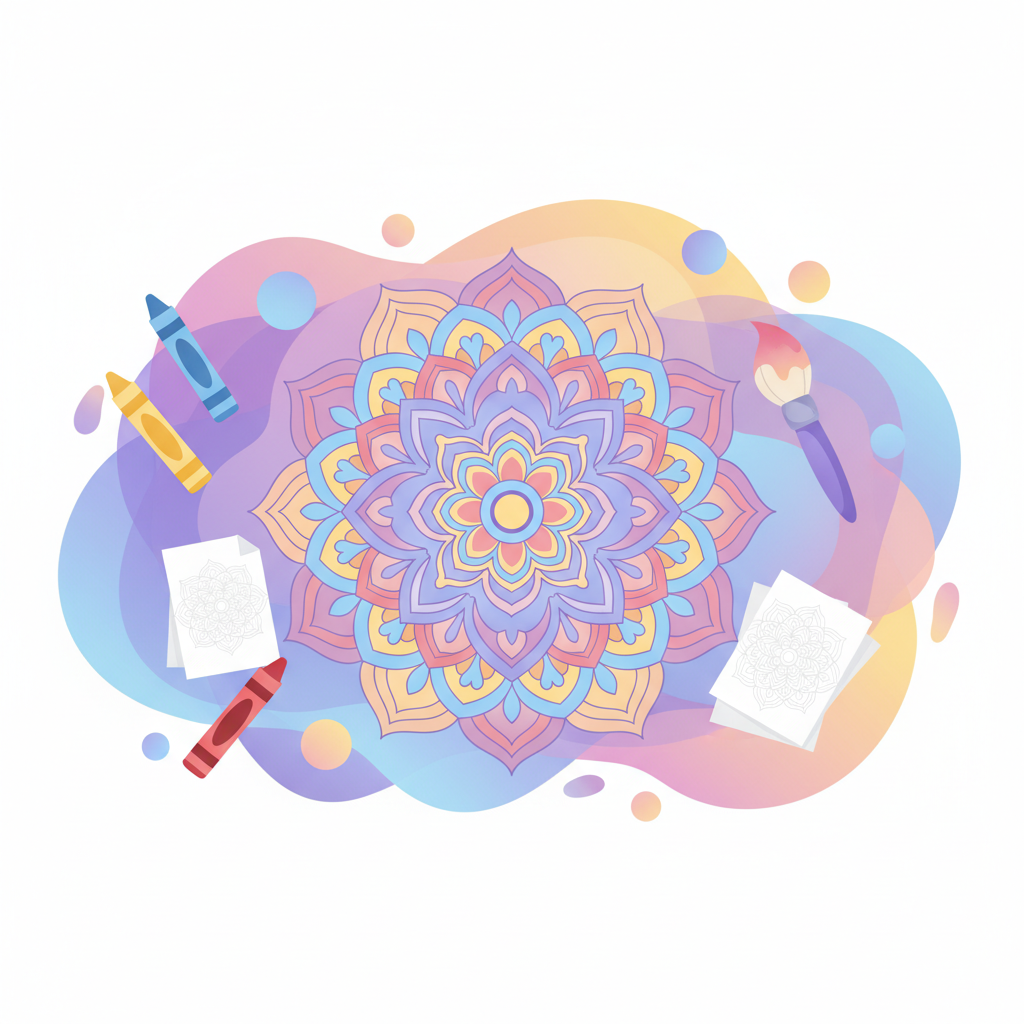
What is a Mandala? More Than Just a Pretty Pattern
In our fast-paced modern world, finding moments of calm and self-reflection can feel like a luxury. Yet, the ancient practice of coloring mandalas offers an accessible and profoundly effective path to relaxation and mindfulness for adults. But what exactly is a mandala?
The word "mandala" comes from the ancient Sanskrit language, meaning "circle" or "center." Originating in Hinduism and Buddhism, mandalas are intricate geometric designs that represent the universe, wholeness, and the journey of the self. Traditionally, they are used as tools for meditation, guiding practitioners towards spiritual growth and inner peace. These complex, symmetrical patterns are not just beautiful; they are symbolic maps designed to draw the eye inward, encouraging focus and contemplation.
While their spiritual roots are deep, mandalas have found a new purpose in contemporary society: as a powerful form of art therapy and stress relief. For adults, coloring a mandala isn't about creating a masterpiece; it's about engaging in a meditative process that calms the mind, centers the spirit, and offers a much-needed break from daily pressures. The act of choosing colors and meticulously filling in patterns becomes a gentle exercise in mindfulness, bringing you fully into the present moment.
The Science of Serenity: Why Coloring Mandalas Works
It might seem simple, but the act of coloring a mandala taps into several psychological and physiological mechanisms that promote relaxation and well-being. This isn't just a pleasant pastime; it's a scientifically supported method for reducing stress and fostering mental clarity.
One of the primary benefits lies in its ability to induce a meditative state. When you focus on the intricate details of a mandala, your attention is diverted from anxious thoughts and external stressors. This focused attention activates the parasympathetic nervous system, which is responsible for the "rest and digest" response. This can lead to a reduction in heart rate, lower blood pressure, and a decrease in the stress hormone cortisol. It’s akin to a mini-meditation session, allowing your mind to quiet down and your body to relax.
Furthermore, coloring mandalas engages both the logical and creative parts of your brain. The repetitive, rhythmic motion of coloring can be incredibly soothing, while the choices of color and pattern stimulate creativity and self-expression. This balance helps to integrate different brain functions, promoting a sense of harmony and reducing mental chatter. It provides a safe, non-judgmental outlet for emotions, allowing you to process feelings without the need for words. This combination of focused attention, creative expression, and rhythmic action makes mandala coloring a highly effective tool for managing anxiety and cultivating a sense of inner peace.
Integrating Meditative Coloring into Your Daily Life
You don't need hours of uninterrupted time to experience the benefits of mandala coloring. Integrating this mindful practice into your daily routine can be surprisingly simple, even for the busiest adults. The key is to find moments that work for you and create a welcoming environment.
Consider these practical tips for weaving meditative coloring into your everyday:
- Morning Mindfulness: Start your day with 15-20 minutes of coloring before the household wakes up or before you dive into work. It can set a calm, focused tone for the day ahead.
- Lunch Break Escape: Instead of scrolling through your phone, dedicate part of your lunch break to coloring. It’s a refreshing way to clear your head and return to your tasks feeling revitalized.
- Evening Wind-Down: Use coloring as a screen-free ritual to transition from the day's activities to restful sleep. It signals to your brain that it's time to relax and decompress.
- Waiting Moments: Keep a portable coloring kit handy for times you're waiting – at appointments, for children's activities, or during commutes (if you're a passenger).
- Family Time: Encourage your children to color alongside you. It can be a wonderful shared activity that promotes quiet focus for everyone, though your adult mandala might be more intricate!
To enhance your experience, choose a quiet space where you won't be easily disturbed. Good lighting is essential to prevent eye strain. You might also consider playing some calming instrumental music or simply enjoying the silence. The goal is to create an atmosphere that supports relaxation and allows you to fully immerse yourself in the present moment with your mandala.
Tips for a Deeper Mandala Coloring Experience
While there's no "right" or "wrong" way to color a mandala, a few intentional practices can deepen your experience and maximize its meditative benefits. Remember, the journey is more important than the destination.
First, choose your mandala intuitively. Browse through different designs and pick one that visually appeals to you at that moment. Some days you might be drawn to simpler patterns, while others you might crave intricate details. Trust your instincts. Next, approach your color selection with the same intuition. Don't overthink your choices. Pick colors that resonate with your mood or that you simply feel drawn to. There are no rules in mandala coloring; you don't need to stick to a color scheme or achieve a perfect aesthetic. Allow your creativity to flow freely.
As you begin to color, focus on the physical sensations: the feel of the pencil or marker in your hand, the texture of the paper, and the gentle pressure as you apply color. Pay attention to your breath, perhaps synchronizing your strokes with your inhalations and exhalations. This simple act of mindful breathing can significantly enhance the meditative quality of the experience. If your mind wanders, gently guide it back to the present moment, to the colors, the patterns, and the rhythm of your coloring. Let go of any self-judgment about your artistic ability; the purpose here is not to create a museum-worthy piece, but to find peace in the process. Experiment with different coloring tools – colored pencils for fine detail and layering, markers for vibrant blocks of color, or gel pens for a unique sheen – to discover what you enjoy most.
The Lasting Benefits of a Regular Mandala Practice
The beauty of integrating mandala coloring into your life extends far beyond the moments you spend with your crayons or pencils. A regular practice can cultivate a range of lasting benefits that positively impact your overall well-being and daily functioning.
One significant advantage is an improved ability to focus and concentrate. By regularly training your mind to concentrate on the intricate patterns of a mandala, you strengthen your capacity for sustained attention, which can then translate into better focus at work, during conversations, or while engaging in other tasks. This enhanced mental clarity can lead to greater productivity and a reduced sense of being overwhelmed.
Moreover, consistent mandala coloring can foster greater self-awareness and emotional regulation. The quiet, introspective nature of the activity provides an opportunity to observe your thoughts and feelings without judgment. Over time, you may become more attuned to your emotional states and develop healthier coping mechanisms for stress and anxiety. It serves as a gentle reminder that you have the power to create calm within yourself, regardless of external circumstances.
Ultimately, a regular mandala practice contributes to a profound sense of calm and well-being. It offers a reliable, accessible, and enjoyable way to de-stress, boost creativity, and reconnect with your inner self. In a world that constantly demands our attention, taking the time to color a mandala is an act of self-care that can replenish your spirit and ground you in the present.
Finding Your Perfect Mandala and Getting Started
Ready to embark on your journey of relaxation through mandala coloring? Getting started is easier than you think, and resources are abundant. You don't need to be an artist or invest in expensive supplies; a simple set of colored pencils and a printed mandala are all you need to begin.
There are countless ways to find mandalas suitable for coloring. You can purchase coloring books specifically designed for adults, which often feature a wide array of intricate mandala patterns. Alternatively, a quick online search will reveal numerous websites offering free printable mandalas. For those looking for convenience and variety, platforms like Wimolino.com offer a fantastic resource. Here, you can easily find and print a diverse selection of free coloring pages, including beautiful mandalas, or even create custom ones using AI technology. This means you can always find a fresh design that sparks your interest and creativity.
Don't wait for the "perfect" moment or the "right" mood. The beauty of mandala coloring lies in its accessibility and its ability to meet you wherever you are. Simply choose a mandala that calls to you, gather your coloring tools, and allow yourself the gift of focused, meditative creativity. Whether you have five minutes or an hour, the act of coloring a mandala can be a powerful antidote to stress, bringing a sense of peace and balance back into your adult life. Start today, and discover the calming magic of mandalas for yourself.
More Articles
Mandalas for Kids: Simple Templates for Beginners
Simple mandalas designed specifically for children: large areas, clear patterns and kid-friendly motifs.
What Do Mandalas Mean? Origin, Symbolism & Effects
The fascinating history of mandalas: where they come from, what they mean and why they are so good for us.
Mandala to Print: Free Templates for Kids & Adults
Beautiful mandalas to print for free: from simple to complex, for kids and adults.