Creative Activities for Kids 3+: Ideas and Inspiration
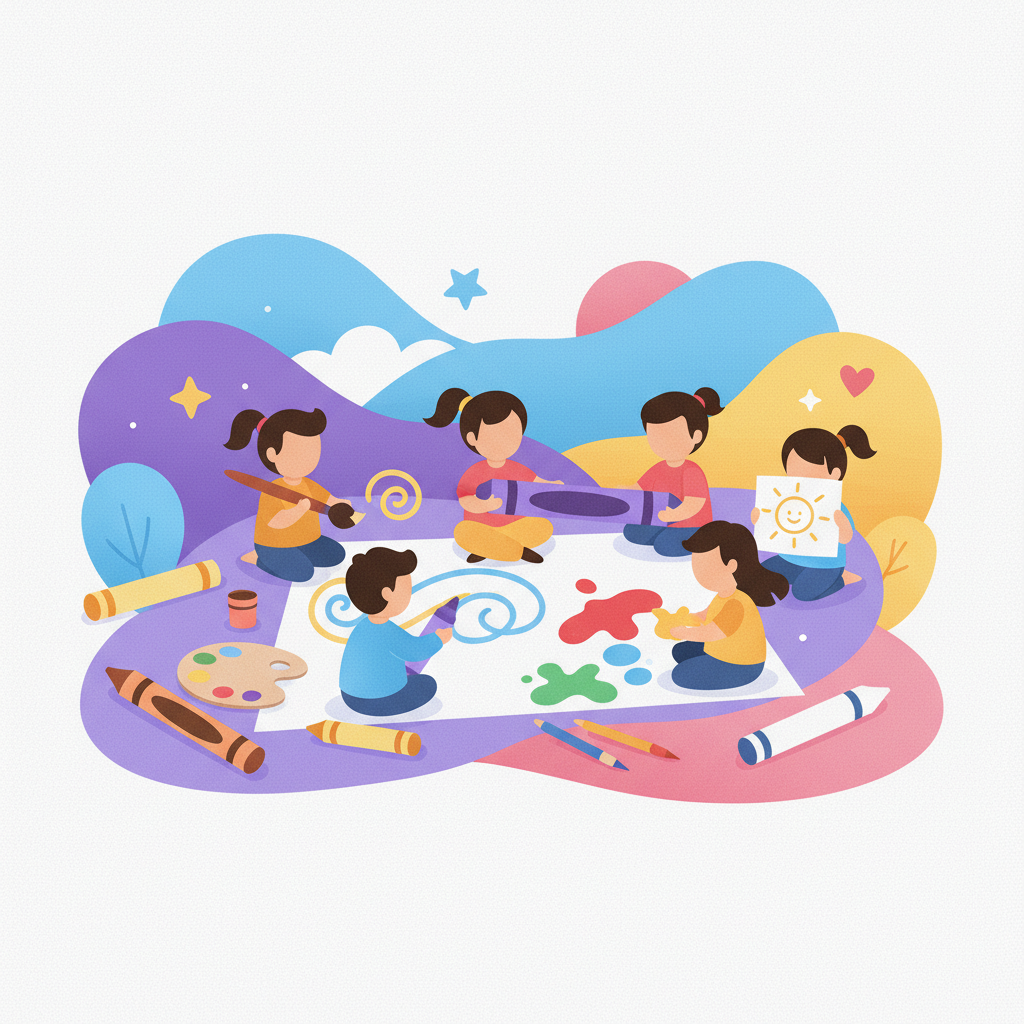
The Power of Play: Why Creativity Matters for 3+ Year Olds
As children transition from toddlers to preschoolers around the age of three, their world expands dramatically. This is a crucial period for development, where curiosity blossoms, language skills flourish, and independent thought begins to take shape. At the heart of this incredible growth lies creativity. Engaging in creative activities isn't just about keeping kids busy; it's a fundamental pathway to holistic development, offering a myriad of benefits that extend far beyond the immediate moment of play.
For children aged three and above, creativity serves as a powerful tool for learning and understanding their environment. It helps them develop essential cognitive skills like problem-solving, critical thinking, and decision-making. When a child decides what colors to use, how to build a tower, or what story their puppet will tell, they are actively engaging these intellectual muscles. Furthermore, creative play is vital for emotional development, providing a safe outlet for self-expression, helping children process feelings, and building confidence as they see their ideas come to life.
Beyond the mind and emotions, creative activities are excellent for physical development. Fine motor skills, crucial for tasks like writing and self-care, are honed through drawing, cutting, and manipulating small objects. Gross motor skills get a workout through dancing, building large structures, and dramatic play. In essence, creativity is not just an add-on; it's an integral component of a child's healthy growth, laying the groundwork for a lifetime of learning, innovation, and well-being.
Unleashing Artistic Expression: Drawing, Painting, and Coloring
One of the most accessible and rewarding forms of creative expression for young children is visual art. Drawing, painting, and coloring offer a wonderful way for kids to explore colors, shapes, and textures while developing crucial fine motor skills and hand-eye coordination. It’s an activity that can be as structured or as free-form as you like, adapting to your child’s mood and developmental stage.
Crayons and Markers: The Classics
Introduce a variety of drawing tools. Chunky crayons are perfect for little hands still refining their grip, allowing for broad strokes and vibrant color exploration. As their dexterity improves, markers can add a new dimension with their smooth glide and intense hues. Encourage them to draw whatever comes to mind – abstract scribbles, their family, or imaginary creatures. The process of putting ideas onto paper is far more important than the final masterpiece.
Painting Adventures
Painting can be a wonderfully sensory experience. Finger paints are fantastic for tactile exploration, allowing children to feel the cool, slippery texture of the paint as they spread it across the page. For a slightly more controlled experience, introduce brushes with washable tempera paints. Provide large sheets of paper or even old cardboard boxes for a grand canvas. Don't worry about the mess; embrace it as part of the creative journey. Lay down a plastic sheet or old newspaper to make cleanup easier.
The Joy of Coloring Pages
Coloring pages offer a fantastic starting point for children who might feel overwhelmed by a blank sheet of paper. They provide boundaries and outlines, which can help develop precision and concentration. Coloring also introduces children to color theory and encourages them to make choices about how to fill in a design. For a vast collection of free printable coloring pages, check out Wimolino.com, where you can find everything from animals to vehicles, or even create custom designs tailored to your child's interests. This resource ensures new inspiration is always at your fingertips, allowing for endless hours of creative fun.
Remember, the goal is not perfection, but participation. Celebrate every stroke, every color choice, and every unique creation your child produces.
Building and Imagining: Hands-On Creative Play
Beyond two-dimensional art, children thrive on hands-on experiences that allow them to build, sculpt, and create three-dimensional worlds. This type of play is invaluable for developing spatial reasoning, problem-solving skills, and fostering imaginative storytelling.
Constructing Worlds with Blocks
Building blocks, whether classic wooden blocks, large interlocking bricks like LEGO DUPLO, or even recycled cardboard boxes, are fundamental tools for creative play. Children learn about balance, gravity, and structural integrity as they stack, arrange, and connect pieces. Encourage them to build not just towers, but houses for their toys, fantastical castles, or complex roadways. This encourages them to visualize an outcome and work towards it, adapting their plans as they go. Provide various shapes and sizes to spark even more intricate designs.
Sculpting Fun with Playdough
Playdough or modeling clay is a sensory delight that offers endless possibilities. Rolling, squishing, cutting, and shaping playdough strengthens hand muscles and refines fine motor skills. Children can create anything from pretend food to abstract sculptures, giving form to their wildest ideas. Offer simple tools like plastic knives, cookie cutters, and rolling pins to enhance the experience. You can even make homemade playdough together, adding another layer of creative engagement.
Sensory Bins for Exploration
Sensory bins are themed containers filled with various materials that stimulate the senses, perfect for sparking imaginative play. A simple bin filled with dry pasta, rice, or sand, along with small scoops, cups, and toy animals, can transform into a farm, a construction site, or a desert adventure. These bins encourage open-ended play, allowing children to explore textures, practice pouring and scooping, and create their own narratives. Always supervise young children with sensory bins, especially those containing small items, to ensure safety.
These hands-on activities empower children to be active creators, transforming their ideas into tangible objects and immersive play scenarios.
Music, Movement, and Storytelling: Engaging All Senses
Creativity isn't confined to visual arts or building; it extends wonderfully into auditory and kinesthetic experiences. Engaging children through music, movement, and storytelling taps into different learning styles and encourages a holistic approach to creative development.
Harmonies and Rhythms
Music is a universal language that resonates with children. Encourage singing, even if it's just silly made-up songs. Provide simple instruments like shakers (made from plastic bottles filled with rice), drums (inverted pots or buckets), or toy keyboards. Let them explore different sounds and rhythms. Dancing to various types of music encourages gross motor skills, coordination, and emotional expression. Put on some tunes and let them move freely, interpreting the music in their own unique way.
Movement and Dramatic Play
Movement activities allow children to use their bodies creatively. Set up a simple obstacle course using pillows, blankets, and furniture for them to navigate. Encourage dramatic play by providing a 'costume box' filled with old scarves, hats, and clothes. Watch as they transform into doctors, superheroes, or animals, acting out scenarios they observe or imagine. This type of play is crucial for developing social skills, empathy, and understanding different roles in the world.
Crafting Narratives
Storytelling is a powerful creative outlet that boosts language development, sequencing skills, and imagination. Encourage children to tell their own stories using puppets, stuffed animals, or even just pictures they've drawn. You can start a story and let them add the next sentence, building a narrative together. Asking open-ended questions about what happens next helps them develop their own plotlines and characters.
Here are some simple ideas to get started:
- Improvised Instrument Jam: Gather household items like pots, pans, wooden spoons, and plastic containers. Let your child experiment with different sounds and create their own rhythm.
- Costume Box Dress-Up: Fill a box with old clothes, scarves, hats, and accessories. Encourage your child to mix and match, creating characters and acting out scenes.
- Family Story Time: Take turns adding a sentence or two to a collaborative story. This fosters listening skills and creative thinking.
- Dance Parties: Put on upbeat music and encourage free-form dancing. No rules, just joyful movement and expression.
- Puppet Show Fun: Use socks, paper bags, or even their own hands to create simple puppets and put on a show.
These activities stimulate multiple senses, ensuring a rich and diverse creative experience for your child.
Nurturing Creativity: Tips for Parents and Educators
Fostering creativity in children aged three and beyond is less about structured lessons and more about creating an environment that encourages exploration, experimentation, and self-expression. As parents and educators, our role is to be facilitators, providing the tools and the freedom for creativity to flourish.
Here are some practical tips to nurture your child's creative spirit:
- Provide a Rich Array of Materials: Offer a variety of art supplies (crayons, paints, playdough, paper, glue, scissors), building materials (blocks, LEGOs), and open-ended items (cardboard boxes, fabric scraps, natural elements like leaves and sticks). Rotate these items to keep interest fresh.
- Embrace the Process, Not Just the Product: Shift focus from creating a "perfect" outcome to enjoying the act of creation itself. Praise their effort and imagination, rather than just the finished piece. Ask questions like, "Tell me about what you're doing," instead of "What is it?"
- Allow for Messiness (Within Reason): Creativity can be messy, and that's okay! Provide designated creative spaces, lay down drop cloths, or dress your child in old clothes. The freedom to make a mess often leads to greater exploration and less inhibition.
- Encourage Independent Exploration: While it's wonderful to join in sometimes, also give your child space and time for independent, unstructured play. This allows them to lead their own creative journey, make their own choices, and develop problem-solving skills.
- Value Their Ideas: Listen attentively to their stories, admire their creations, and show genuine interest in their imaginative worlds. This validates their efforts and encourages them to continue exploring their creative thoughts.
- Limit Screen Time: While some educational apps can be beneficial, excessive screen time can stifle imaginative play. Encourage hands-on activities that require active engagement and problem-solving.
- Be a Creative Role Model: Let your child see you engaging in creative activities, whether it's cooking, gardening, drawing, or playing music. Your enthusiasm can be contagious.
- Offer Challenges, Not Solutions: Instead of telling them how to build something, ask, "How do you think we could make this stand up?" This encourages critical thinking and independent problem-solving.
- Utilize Free Resources: Don't feel the need to buy expensive kits. Websites like Wimolino.com offer a constant stream of fresh coloring pages, ensuring new inspiration is always at your fingertips without additional cost. Recycled materials often spark the most innovative ideas.
By implementing these tips, you can cultivate an environment where your child feels safe, inspired, and empowered to explore the boundless possibilities of their own creativity. This investment in their early years will pay dividends in their overall development and future capacity for innovation.
More Articles
Coloring Pages for Homeschooling: Creative Learning at Home
Make homeschooling creative: how coloring pages can be used as learning material for various subjects.
New Year's Eve with Kids: Creative Activity Ideas
Celebrating New Year's Eve with children: discover creative ideas for crafting, games, and creating an unforgettable evening.
Birthday Crafts with Kids: DIY Gifts and Decorations
Craft something special for grandma, grandpa, mom, or dad's birthday: creative gift and decoration ideas for kids.