Guided Imagery for Kids: Combining Relaxation and Fantasy
Unlocking Imagination: What is Guided Imagery for Kids?
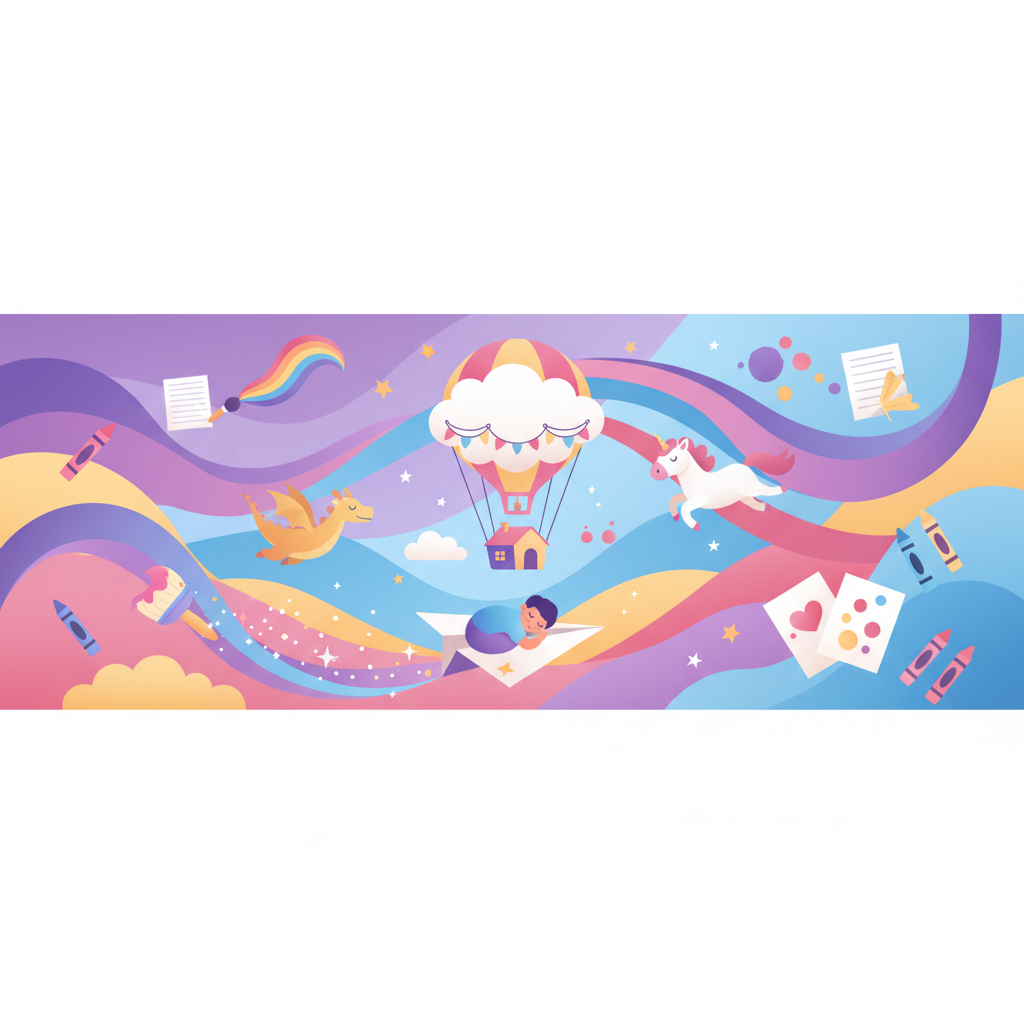
In our fast-paced world, finding moments of calm and creativity for our children can feel like a challenge. That's where guided imagery comes in – a beautiful, simple technique that combines the power of imagination with the peace of relaxation. Think of it as a gentle, verbal adventure where you, as the guide, lead your child on an internal journey using descriptive words and soothing tones. It's not about deep meditation, but rather a playful exploration of their inner world, helping them visualize peaceful scenes, exciting discoveries, or even fantastical creatures.
For children, guided imagery is a natural fit because their imaginations are already boundless. Unlike adults who might struggle to quiet their minds, children often dive headfirst into make-believe. This technique harnesses that innate ability, directing it towards positive outcomes. By listening to a story that encourages them to visualize, children learn to focus their attention, develop mental pictures, and even process emotions in a safe, imaginative space. It’s a wonderful tool for both winding down and sparking creative thought.
The Wonderful Benefits of Guided Imagery for Your Child
The advantages of incorporating guided imagery into your child's routine extend far beyond just a few moments of quiet. Regular practice can cultivate a range of vital skills and emotional well-being, helping them navigate the complexities of growing up with greater ease and confidence. Here are some of the key benefits:
- Stress and Anxiety Reduction: Guided imagery provides a mental escape from daily worries, school pressures, or social anxieties. By focusing on a peaceful scene, children can learn to calm their nervous systems and reduce feelings of overwhelm.
- Boosts Creativity and Imagination: This technique is a direct workout for the imagination! It encourages children to think visually, create their own mental landscapes, and develop unique ideas, fostering a richer inner world.
- Improves Focus and Concentration: Listening to a guided story requires sustained attention. Over time, this practice can enhance a child's ability to focus, which can translate into better concentration in school and other activities.
- Enhances Emotional Regulation: Through imagery, children can explore and process emotions in a gentle way. For example, imagining a "worry monster" being carried away by a cloud can help them externalize and release anxieties.
- Promotes Better Sleep: A calming imagery session before bedtime can help children transition from an active day to a restful night, easing them into sleep and reducing nighttime anxieties.
- Develops Problem-Solving Skills: Sometimes, guided imagery can present gentle "challenges" within the story, encouraging children to think creatively about solutions in a low-pressure environment.
How to Introduce Guided Imagery to Your Little One: A Simple Guide
Starting with guided imagery doesn't require any special equipment or training, just a calm approach and a willingness to explore. Here’s a simple step-by-step guide to help you begin:
1. Set the Scene
Find a quiet, comfortable space where your child won't be interrupted. This could be their bed, a cozy corner with pillows, or even snuggled up on the couch. Ask them to lie down or sit comfortably, closing their eyes if they feel okay doing so. Explain that you're going to tell them a special story, and their job is just to listen and imagine what you describe. Reassure them there's no right or wrong way to imagine.
2. Begin with Breath
Start with a few gentle, deep breaths. You can guide them: "Let's take three slow, deep breaths together. Breathe in through your nose, feeling your tummy get big like a balloon, and breathe out slowly through your mouth, letting all the air out." This helps to ground them and prepare their body for relaxation.
3. Start the Journey
Begin telling your story in a soft, soothing voice. Use descriptive language to paint a vivid picture in their mind. Focus on sensory details: what they might see, hear, feel, or even smell. For instance, "Imagine you are walking on a soft, mossy path in a beautiful, sunny forest. The air feels warm and gentle on your skin, and you can hear the birds singing sweet songs." Keep the pace slow, allowing time for them to process and create the images.
4. The Core of the Imagery
Lead them through a simple narrative. This could involve exploring a magical place, meeting a friendly animal, or floating on a cloud. Encourage them to notice details: "What color are the flowers you see? Is the animal fluffy or smooth? How does it feel to float so high?" The key is to keep it positive, peaceful, and engaging.
5. Gently Return
After a few minutes (start with short sessions, 3-5 minutes, and gradually extend), begin to bring them back to the present. "Now, it's time to gently float back. Feel your body resting comfortably. Wiggle your fingers and toes. Take another deep breath, and when you're ready, slowly open your eyes."
6. Follow Up
Once they're back, ask them about their journey. "What did you see? What was your favorite part?" This helps them process the experience and reinforces the positive feelings. Avoid probing too much; let them share what they want.
Ready-Made Guided Imagery Scenarios to Spark Imagination
To get you started, here are a few simple scenarios you can adapt. Remember to use a calm, gentle voice and allow plenty of pauses for your child to visualize.
The Secret Garden
"Imagine you are standing in front of a tall, old stone wall. There's a tiny, wooden door with a rusty handle. You gently push it open, and it creaks softly, revealing a most beautiful secret garden. The air here is warm and smells of sweet flowers. You step inside and see colorful blossoms everywhere – bright red, sunny yellow, calm blue, and soft pink. A little bird sings a cheerful tune from a leafy tree. You walk on a soft, grassy path, feeling the gentle breeze on your face. You find a comfortable bench under a big, old tree and sit down, feeling completely peaceful and safe in your secret garden. Everything here is quiet and lovely."
Floating on a Cloud
"Close your eyes and imagine you are lying on a soft, fluffy cloud. It's a big, white cloud, like a giant cotton ball, and it feels so comfortable. The cloud gently lifts you up, up into the clear blue sky. You are floating higher and higher, looking down at the world below. Everything looks so tiny and peaceful from up here. The sun feels warm and friendly on your skin, and you can hear no sounds, just the quiet of the sky. You feel light and free, gently drifting wherever the soft breeze takes you. You are completely safe and happy on your floating cloud."
The Magical Forest Clearing
"Picture yourself walking through a beautiful, enchanted forest. The trees are tall and green, and sunlight filters through the leaves, making sparkly patterns on the ground. You come to a small, hidden clearing. In the middle of the clearing is a shimmering, calm pond. The water is so clear you can see tiny, colorful pebbles at the bottom. A friendly, gentle deer sips water from the pond, then looks up at you with kind eyes before silently disappearing into the trees. You sit down by the pond, feeling the soft grass beneath you, listening to the gentle rustle of leaves. You feel connected to nature and full of wonder."
Enhancing the Experience: Combining Imagery with Creative Play
The beauty of guided imagery is that it doesn't have to end when the story does. In fact, the post-imagery period is a fantastic opportunity to extend the relaxation and creativity into tangible forms of expression. This is where the magic of combining fantasy with hands-on activities truly shines.
After a guided imagery session, encourage your child to draw or color what they imagined. Did they visit a secret garden? What did the flowers look like? Did they float on a cloud? What color was it? This allows them to solidify their mental pictures and express their unique internal world. A blank piece of paper and some crayons are perfect, or you might even find that a themed coloring page can inspire them further. For a vast array of options, remember that platforms like Wimolino.com offer countless free coloring pages that could perfectly match their imagined landscapes, creatures, or adventures. They can print an image, color it online, or even create a custom one with AI, making the connection between their inner vision and outer expression seamless.
Beyond drawing and coloring, you can also encourage them to:
- Tell more of the story: Ask them to elaborate on what happened next in their imaginary journey.
- Build a scene: Use blocks, LEGOs, or craft materials to recreate parts of their imagined world.
- Role-play: If they met a character, they might enjoy pretending to be that character or acting out a part of the adventure.
This integration of imagery with creative play not only reinforces the calming effects of the session but also nurtures their artistic expression and problem-solving skills, turning a moment of relaxation into a springboard for endless creative possibilities.
Tips for a Successful Guided Imagery Session
To ensure your guided imagery sessions are enjoyable and effective for your child, keep these practical tips in mind:
- Keep it Short and Sweet: Especially when starting out, keep sessions brief, perhaps 3-5 minutes. You can gradually extend the time as your child becomes more comfortable and engaged.
- Be Flexible: Some days your child might not be in the mood. Don't force it. The goal is relaxation and enjoyment, not compliance. Try again another time.
- Use a Soothing Voice: Your tone is key. Speak slowly, softly, and with a gentle, calming rhythm. Vary your pitch slightly to keep it engaging but always maintain a peaceful quality.
- Embrace Silence: Don't feel the need to fill every second with words. Allowing moments of quiet gives your child space to fully immerse themselves in their own imagination.
- Encourage, Don't Direct: Avoid telling them exactly what to see. Instead, use open-ended prompts like "Imagine what your secret garden looks like..." or "What colors do you see?" This fosters their own creativity.
- Make it a Ritual: Incorporate guided imagery into a regular routine, such as before bedtime, after school, or during a quiet weekend afternoon. Consistency helps children anticipate and embrace the calming experience.
- Engage All Senses: When crafting your stories, remember to include details for sight, sound, touch, smell, and even taste (if appropriate and safe). The more sensory details, the richer the experience.
- Lead by Example: If you practice mindfulness or relaxation yourself, your child will naturally be more open to trying it.
- Connect with Resources: After a session, if your child is inspired to draw their imagined world, remember that platforms like Wimolino.com offer a fantastic array of free coloring pages that can perfectly complement their creative urges. They can print, color online, or even use AI to create a unique image inspired by their journey.
By following these tips, you can create a nurturing environment where guided imagery becomes a cherished tool for your child's relaxation, imagination, and emotional growth.
More Articles
Animal Mandalas: The Most Beautiful Templates to Color
Mandalas with animal motifs are especially popular. Discover the most beautiful animal mandalas to color.
Animal Mandalas for Adults: Detailed Coloring Pages
Animal mandalas combine nature motifs with meditative patterns. Discover detailed coloring pages with owls, wolves, and more.
Mandala Coloring Pages for Adults: Relaxation Through Creative Coloring
Mandala coloring pages for adults are perfect for relaxing and unwinding. Discover beautiful mandalas for free printing.